The Living Spirit: Spirituality in the Xhosa Community
For Xhosa-speaking people, spirituality is not something kept for one day of the week. It lives in the home, the kraal, the river and the family name. It connects the living with those who came before – and for the Khwalo clan, Mzangwa, Ncuthu, Mlanjana, it is the thread that ties Soweto back to eMpondweni.
uQamata and uThixo
Long before missionaries arrived, Xhosa people spoke of a supreme creator, uQamata. The Creator was seen as distant and great, so daily spiritual life was carried out through those closer to the family: the ancestors.
The ancestors – izinyanya
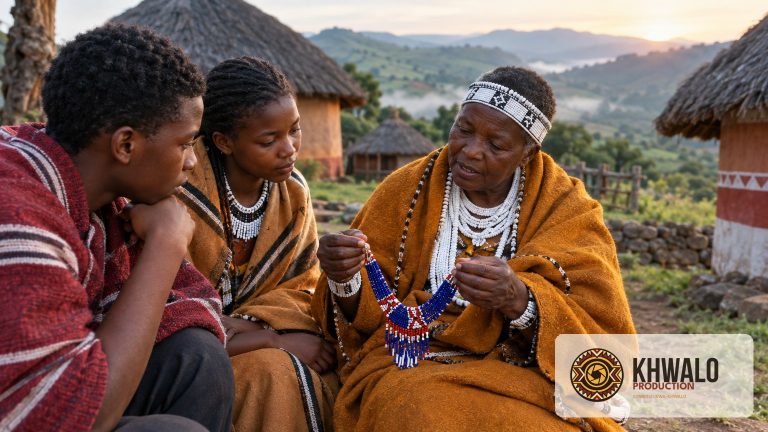
The izinyanya (also called amathongo) are the departed members of the clan. They are not worshipped as gods, but respected as elders who still watch over the family. People speak to them, thank them and ask for guidance, especially at important moments: birth, initiation, marriage, illness and death.
Rituals that open the way
- Imbeleko – introducing a child to the ancestors and the clan.
- Umsebenzi – a ceremony, often with the slaughter of a goat or cow, to thank or appease the ancestors.
- Ukubuyisa – bringing the spirit of a departed person home so they can rest with the family.
- Umqombothi – traditional beer brewed for ceremonies and shared with the living and the departed.
- Impepho – burning sacred herbs to call on the ancestors.
The kraal and sacred places
The cattle kraal (ubuhlanti) is the spiritual heart of the homestead. Ancestors are believed to be close there, and many rituals are performed inside it. Rivers and forests are also sacred – some families believe in abantu bomlambo, the people of the river.
Amagqirha – the healers
An igqirha (traditional healer or diviner) receives a calling from the ancestors, often through dreams or illness (intwaso). After training (ukuthwasa), they help families understand messages from the ancestors, heal and restore balance.
Ubuntu as a spiritual value
Umntu ngumntu ngabantu – a person is a person through other people. Ubuntu is not only good manners; it is spiritual. How you treat others reflects on you, your family and your ancestors.
Still alive in Soweto
Even in the busy streets of Soweto, families still slaughter at home, burn impepho, and travel back to the Eastern Cape for ceremonies. The spirit of the clan travels with its people.