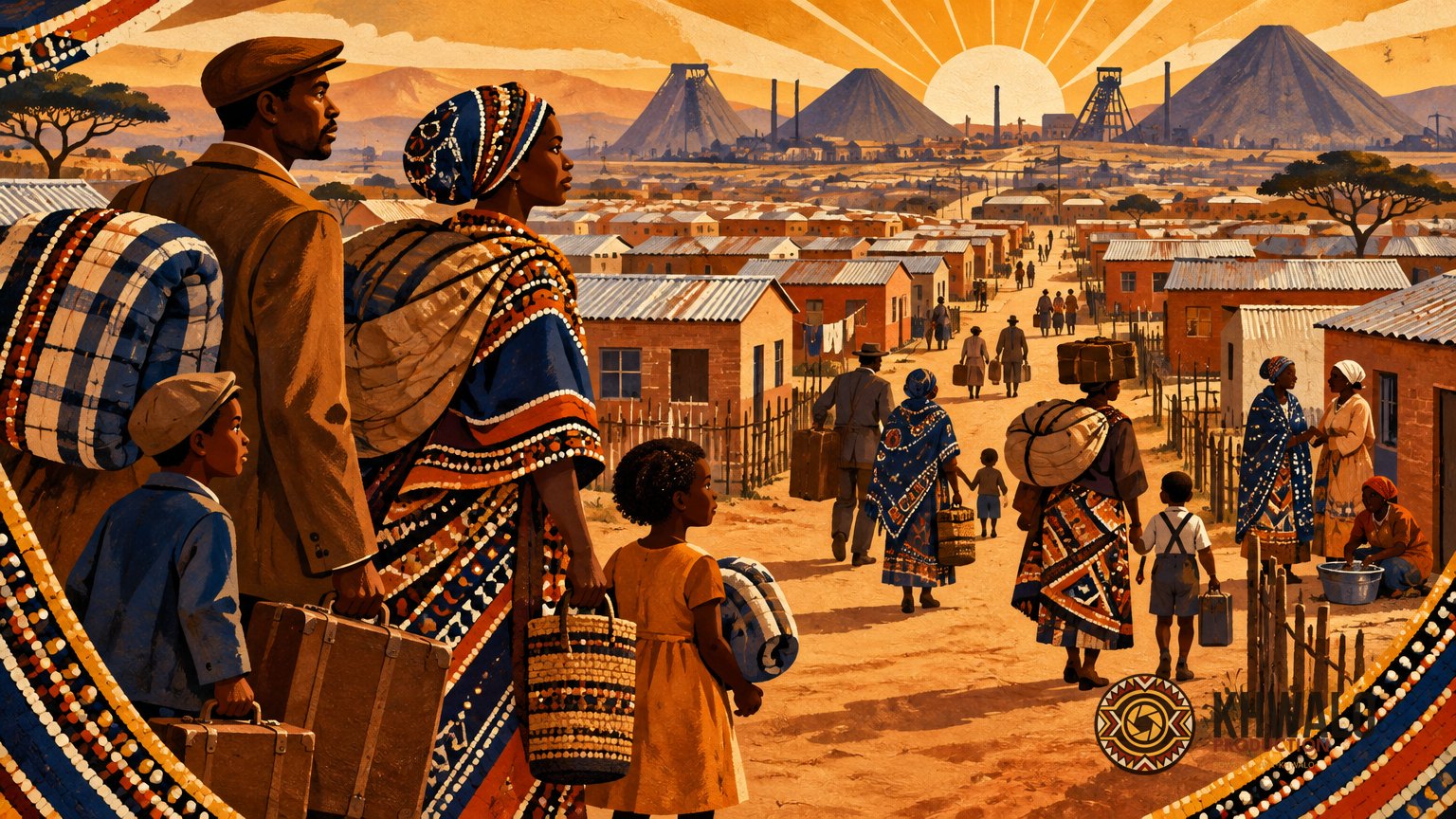
From Klipspruit to Orlando: How Soweto Was Born
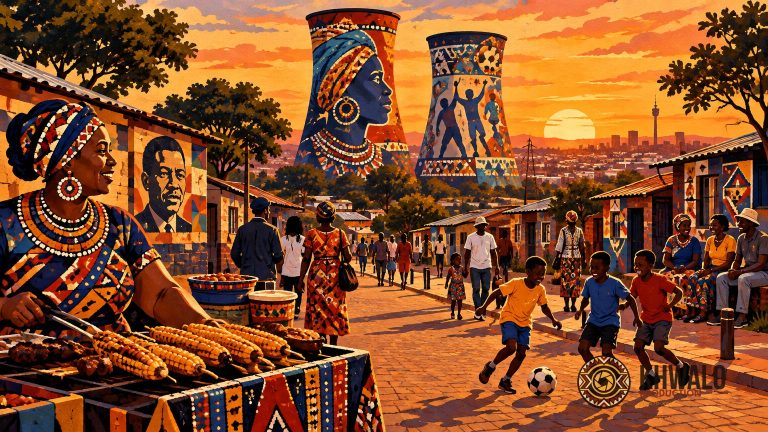
Soweto’s name is simply an abbreviation of South Western Townships, but its story is anything but simple. It is a story of people who were moved, who built, and who refused to be broken.
Klipspruit and the first removals
In 1904, after an outbreak of plague in central Johannesburg, the authorities moved black residents to Klipspruit (later part of Pimville), near a sewage farm on the city’s south-western edge. It was one of the first settlements in what would become Soweto.
Orlando and the matchbox houses
In the early 1930s the township of Orlando was laid out, named after Edwin Orlando Leake, a Johannesburg councillor. Rows of small four-roomed houses, later nicknamed “matchbox houses”, were built for workers drawn to the gold mines and factories of the Witwatersrand.
Growth during the 1940s and 1950s
During and after the Second World War, thousands of families moved to Johannesburg looking for work. Housing could not keep up, and squatter camps grew. Leaders such as James Mpanza organised families to occupy land, pushing the authorities to build more townships. In the 1950s, forced removals from places like Sophiatown sent even more families to Meadowlands and other parts of Soweto.
The name Soweto
In 1963 the name Soweto was officially adopted after a public competition. By then it had become a huge collection of townships, home to people from every corner of Southern Africa, including amaMpondo families like the Khwalo clan who brought their language, praises and customs with them.
A place of belonging
Though it was created to keep people apart, Soweto became a place where people came together. Pimville, where our family lives today, is part of that long story, and every street holds memories worth keeping.