Isixhosa Under Threat? Keeping Our Language Alive
IsiXhosa is spoken by more than eight million South Africans as a home language. It is the language of Nelson Mandela, of Ntsikana’s Great Hymn and of countless clan praises. Yet in Soweto many children now answer their grandparents in English. Is our language under threat?
A language of beauty
IsiXhosa is famous for its click sounds: c, q and x. It is rich in proverbs (amaqhalo):
- Umntu ngumntu ngabantu: a person is a person through other people.
- Isandla sihlamba esinye: one hand washes the other.
- Indlela ibuzwa kwabaphambili: the way is asked from those who have walked it.
Why children are losing it
- English dominates school, TV, social media and work.
- Soweto is multilingual, and children mix languages and iscamtho.
- Some parents speak English at home, hoping it gives children an advantage.
- Few books, games and apps exist in isiXhosa.
Why it matters
Language carries identity. Clan praises, proverbs, songs and prayers lose depth in translation, and children learn best when they first master their mother tongue.
What families can do
- Make isiXhosa the language of the home, especially at meals.
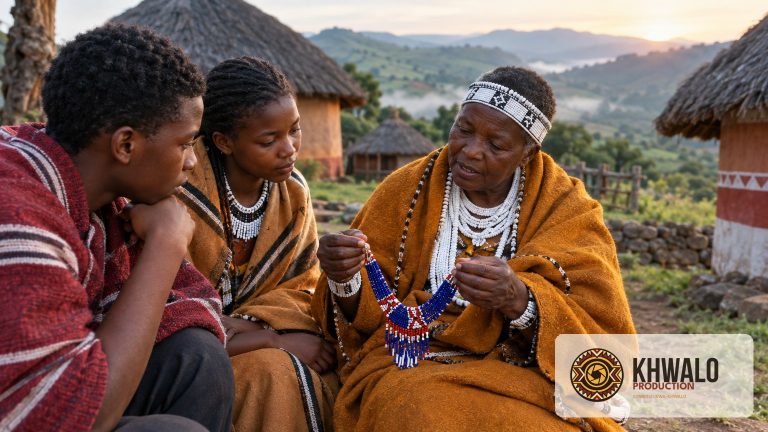
- Ask grandparents to tell iintsomi (folk tales) and teach proverbs.
- Read isiXhosa Bibles, hymnbooks and children’s books together.
- Listen to Umhlobo Wenene FM.
- Choose schools that offer isiXhosa.
- Praise children when they use it, and never mock mistakes.
A language lives when we choose it every day. Masithethe isiXhosa!
Khwalo! Mzangwa! Ncuthu! Mlanjana!